How a constructed language found a home in my “hopepunk” fantasy world
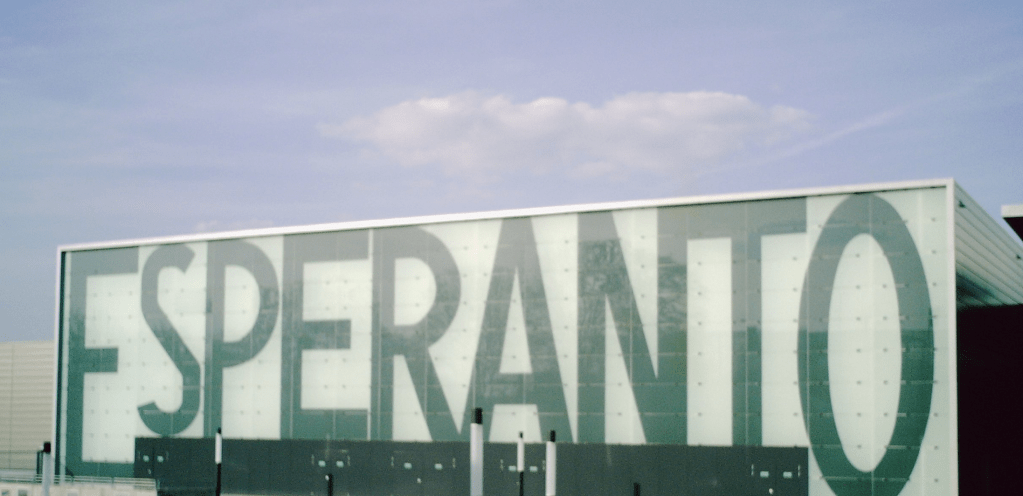
Saluton, leganto. (Hello, reader.)
When I began writing the first draft of Crystals of Ulstra, I had yet to decide on a common tongue for the world in my fantasy trilogy.
At first, I thought I’d simply invent each name as needed. Cities cycled through names like Bru Giarde and Jostad. Characters were temporarily saddled with Irish-influenced real world names, like Cairbre and Sorcha.
For the record, there is nothing incorrect with this method. I reserve the right to return to it in my future works. But for Ulstra, none of the names were speaking to me. I felt the need for a unifying language, or at least for the essence of one. And I also knew I didn’t want to create a brand new one out of thin air. (I admire Tolkien, and I’ll leave the philology to him.)
At the time, I happened to be reading the Saga comics, a series about star-crossed lovers and a child who is a bridge between worlds. Esperanto is used selectively in these books as a kind of futuristic alien language.
Needless to say, I was intrigued by the feel of the words as I sounded them out in my head. I started to wonder if they were real words, and I did a cursory search that led me to discover Esperanto as a language. It didn’t take long for me to connect it to my work—and after several hours with Google Translate, the common tongue of Ulstra was officially born.
Tuxxo, the Mago city, became Taumaturgio—translated literally from the English word “thaumaturgy”—meaning the performance of magic. Bru Giarde became Glavo Brilo—or “shining sword.” Similarly, characters took on fresh new identities based on Esperanto words. Koralo (coral), Rubena (ruby), Lazuro (azure), Cejana (cyan), Smeraldo (emerald), Glacimonto (iceberg), Roko (rock), Delfen (dolphin), Rego Aglo (eagle king), and countless others finally came to be known by their true names.
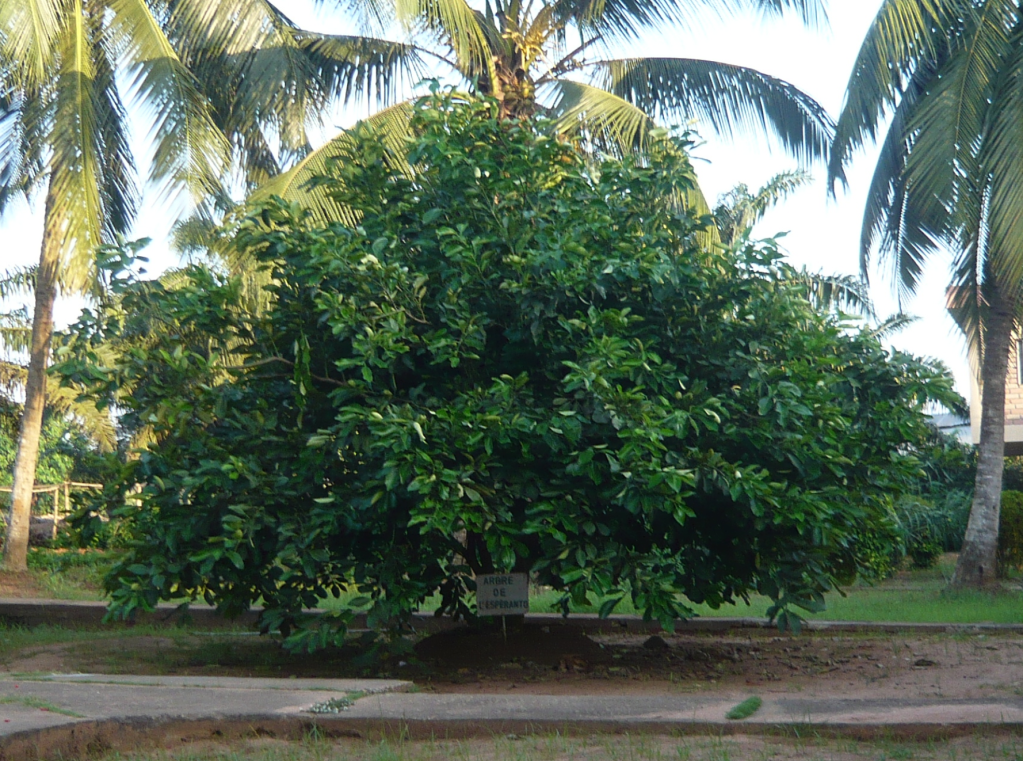
It wasn’t until after I’d settled on Esperanto as the language of Ulstra that I understood just how apt it was for the book I was writing in particular.
The inventor of Esperanto, L. L. Zamenhof, was born in part of the Russian Empire that is now in Poland. He was impressively multilingual, speaking Polish, Yiddish, Russian, French, German, Hebrew, and Belarusian. He studied Latin, Italian, Greek, Aramaic, and English.
In 1887, Zamenhof published Dr. Esperanto’s International Language, commonly called Unua Libro. The word “Esperanto” itself means “one who hopes.” The language was an act of hope, designed to unite the world in common understanding and promote harmony between its nations.
As such, Esperanto has been seen as a threat by fascists and dictators ever since. First published in an era of Tsarist censorship, it was persecuted and banned for years by the Soviet Union, Nazi Germany, Francoist Spain and Estado Novo Portugal, and several other authoritarian regimes.
Like magic in Ulstra, which is threatened when a mad king wages war on it, a language like Esperanto that transcended borders was too dangerous to those who relied on fear and division to maintain ultimate control.
Still, Esperanto persisted and reached new horizons. Today it is the world’s most widely spoken constructed auxiliary language, even if its original ambitions of global adoption have yet to fully materialize.
Without realizing it, I had stumbled upon a language that represented the very same ideas I was exploring in Ulstra: hope, unity, choice, connection.
Esperanto’s creation was a bold statement that challenged us to break down the barriers to empathy and cooperation that language built. That gets right to the heart of my queer epic fantasy and the world within it.
Crystals of Ulstra is a story first and foremost about hope. It’s about people across cultures and lived experiences coming together as one to protect their home from a totalitarian king. And it dares to dream of a future where such a cruel ruler is never allowed to corrupt the world again.
Ulstra is a world that yearns to move past divisions and into an age of unity and peace. It makes sense for its people to speak a language of hope.
Follow me on social media for more thoughts on writing fantasy:
Bluesky | Mastodon | Threads | Instagram


Leave a comment