
I’ve always wanted to be a writer.
Some of the earliest advice I can remember receiving?
Write every day.
Stephen King, Ray Bradbury, Ernest Hemingway, and a chorus of other legendary writers recommend it. And I’m not saying I disagree with them. Under ideal conditions, I think a lot of writers would write every day. But ideal conditions are rare in the real world, and I think it’s crucial we admit that.

For modern writers, our writing often happens in the margins of our lives. Early mornings, late nights. Stolen moments between full-time jobs, raising families, caring for loved ones, maintaining friendships, and volunteering in our communities. We write alongside our other hobbies, creative outlets, and responsibilities that matter to us too.
And some writers—myself included—are neurodivergent.
I have ADHD, and I’ve learned the hard way that daily focus is not a reliable measure of my passion, my discipline, or my skill level. There are days when my brain refuses to cooperate, no matter how badly I want to write. I still care about my stories. I’m still motivated to finish them. But shaming myself into productivity has never made the words come faster. It makes me feel defeated when my writing should bring me joy.
I’ve also come to understand that sometimes a pause is just what I need. It’s actually part of the process. When I step away from my computer, the story is still very much alive. The plot and characters are marinating in my mind. Threads are untangling, emotional beats sharpening. Some of my most innovative worldbuilding ideas came to me somewhere other than my desk.
When I come back to the page days—sometimes even weeks—later, I have a reinvigorated spirit and a clearer sense of where the story wants to go.
None of this is meant to suggest that writers don’t need a routine. Some sort of structure is required to finish a book. But I refuse to become too rigid in my writing schedule because I think some freedom is also necessary—for the sake of the art and for my own sanity.
It took me more than two years to write my first book. Others may have finished a similar draft in months. I didn’t, and that’s okay. I did it on my own timeline, my own terms. I didn’t write every day. And guess what? I still finished it.
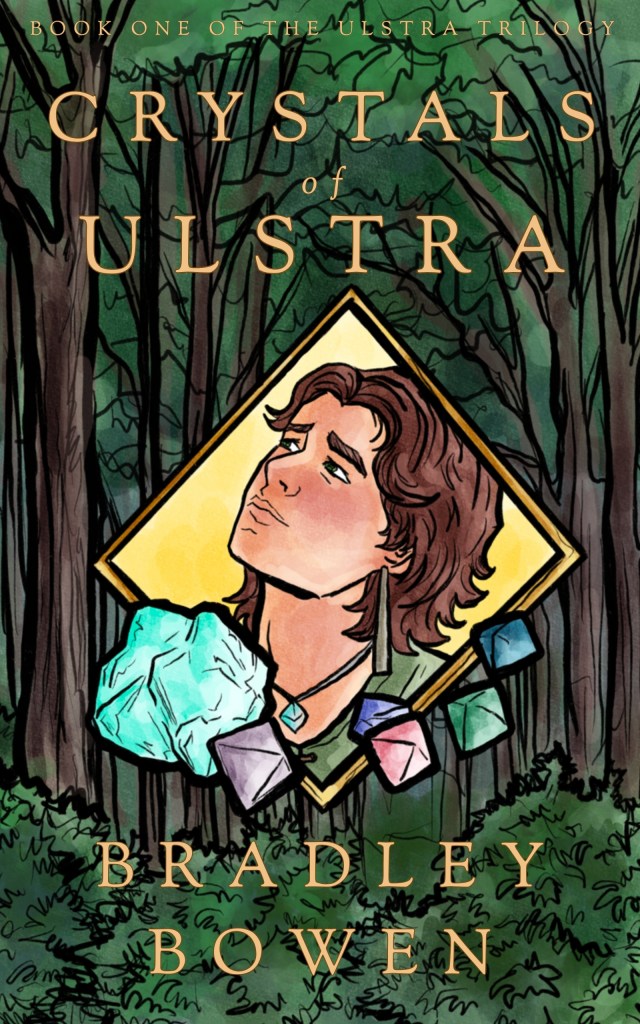
Crystals of Ulstra exists not because I wrote every day, but because I didn’t give up.
You are still a writer even if you don’t write every day.
You still have something to say. You still have worlds to create. Don’t measure yourself against another writer’s word count, page streak, or productivity chart. Your only competition is the version of you who is tempted to quit because you think there’s only one way to be a writer.
As long as you keep going, writing whenever you can, refining your craft, and returning to your worlds again and again—you will finish your story.
And remember: Writing is what makes you a real writer. It doesn’t matter how long it takes you to do it.


Leave a Reply